Dental Crowns Oxnard CA: Restore Strength and Beauty to Your Teeth
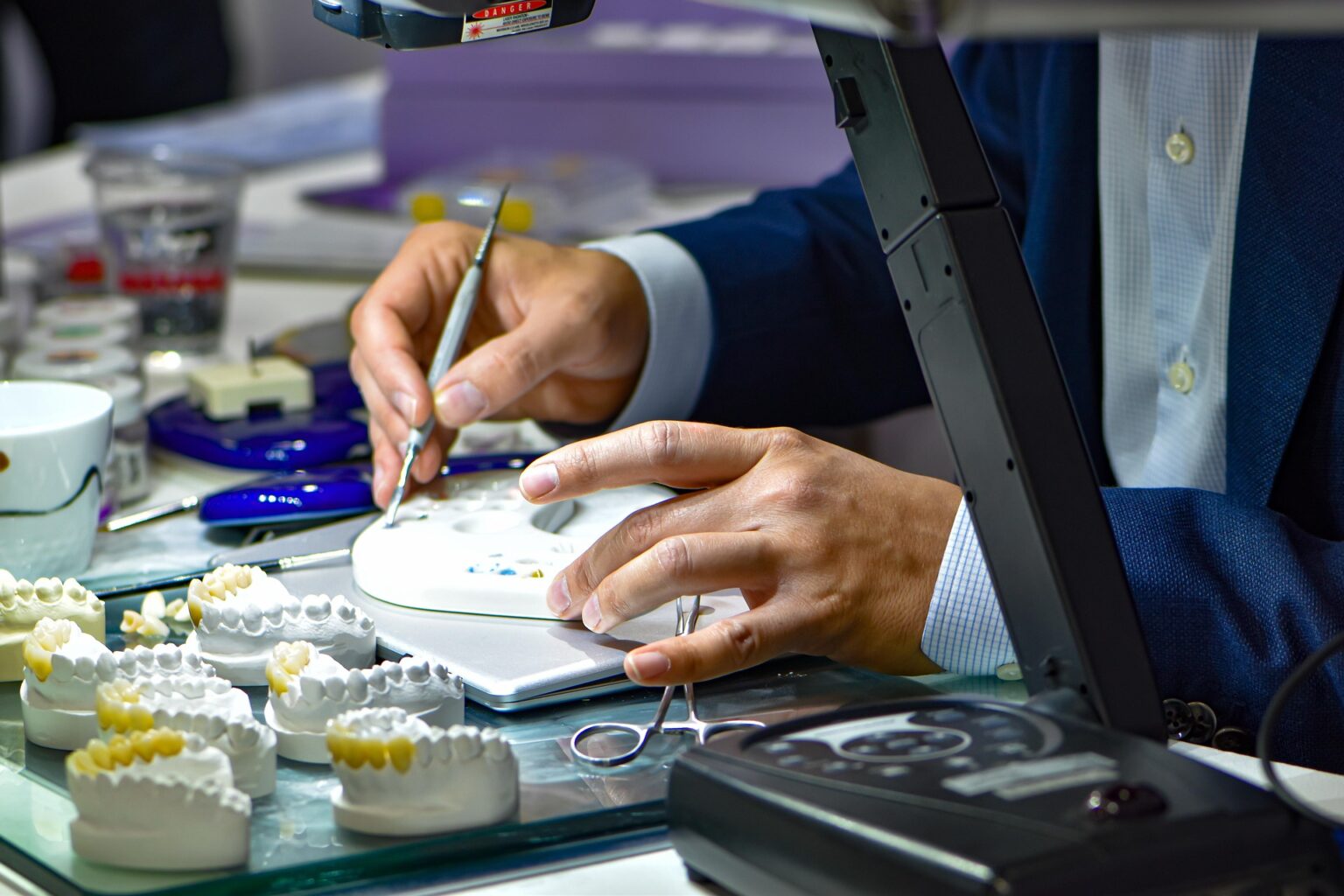
A damaged tooth rarely stays the same for long. A small crack becomes a larger fracture. A deep cavity weakens the remaining enamel. A worn-down molar starts to change the way you chew, and before long the jaw feels the strain. Dental crowns are often the treatment that stops that downward slide and gives the tooth another chance to function well for years.
For patients searching for Dental Crowns Oxnard CA, the goal is usually simple and urgent at the same time. They want to save a tooth, get out of discomfort, and avoid treatment that feels excessive. A crown often fits that need because it does two jobs at once. It protects what is left of the natural tooth and restores the shape, strength, and appearance that have been lost.
Crowns are one of the most dependable tools in restorative dentistry, but they are not all the same, and they are not the right answer for every situation. Material choice matters. Bite forces matter. Gum health matters. Even something as practical as whether a patient grinds Dental Crowns Oxnard CA their teeth at night can influence the result. A well-planned crown can look natural and last a long time. A rushed one can feel bulky, chip early, or irritate the gums.
What a dental crown actually does
A crown is a custom-made cap that fits over a prepared tooth. It covers the visible portion above the gumline and is designed to bring back normal form and function. The best way to think about it is as a protective shell that allows a compromised tooth to keep doing its job.
That description sounds straightforward, but the reasons a crown is recommended can vary quite a bit. Sometimes the issue is structural. A tooth may have a large filling and not enough strong enamel left to support normal chewing. In other cases, the concern is cosmetic. A front tooth may be badly discolored, misshapen, or fractured in a way that bonding alone cannot predictably fix. Crowns are also commonly used after root canal treatment because those teeth are more prone to fracture once their internal structure has been altered.
In everyday practice, some of the most satisfying crown cases are not dramatic smile makeovers. They are the patients who come in with one painful tooth, or one embarrassing broken tooth, and leave with something that feels stable again. That practical relief matters.
When a crown makes more sense than a filling
People often ask why a filling cannot simply be replaced with a larger filling. Sometimes it can. Other times that approach starts to work against the tooth.
A filling repairs a specific area. A crown reinforces the whole visible tooth. If decay or fracture has left only thin walls of enamel, placing more filling material may not solve the real problem. The tooth can continue to flex under pressure and eventually split. This is especially common in molars, where chewing force is highest.
There is a judgment call involved here. Dentistry is not just about what can be done, but what is likely to hold up under real-world use. A patient who bites on ice, chews hard foods, or clenches at night puts far more stress on back teeth than a patient with a light bite. The treatment has to match the reality of how the mouth is used every day.
A crown may be recommended when a tooth has:
- a fracture that weakens the biting surface
- a very large filling with little natural structure remaining
- significant wear from grinding or acid erosion
- a need for support after root canal therapy
- cosmetic damage that cannot be predictably corrected with bonding or veneers alone
Those are common examples, not automatic rules. A careful exam and x-rays help determine whether the tooth is still restorable and whether the supporting gum and bone are healthy enough for long-term success.
Strength and appearance, both matter
Years ago, many patients assumed that strong crowns looked obvious and attractive crowns were delicate. That trade-off has narrowed considerably. Modern materials allow dentists to combine durability with a natural appearance far better than in the past, though the right choice still depends on where the tooth is located and how the patient bites.
Front teeth usually call for especially lifelike translucency and color matching. Back teeth demand more emphasis on strength and wear resistance. The challenge is to create a restoration that disappears into the smile while still standing up to daily chewing.
When a crown is done well, most people should not notice it. The shape should fit the gumline naturally. The contact with neighboring teeth should feel secure without trapping food constantly. The bite should meet evenly, without one high spot taking all the pressure. Patients may not know how to describe that balance, but they can feel it immediately.
Common crown materials and how they differ
The best crown material is rarely a one-size-fits-all answer. Dentists weigh appearance, bite force, available space, tooth position, and the patient’s habits before recommending an option.
Porcelain or ceramic crowns are popular because they can look very natural. They are often a strong choice for visible teeth, especially in the smile zone. Zirconia crowns have gained a lot of attention because they offer impressive strength and can also be esthetic, particularly in newer formulations. Porcelain-fused-to-metal crowns have a long track record and can work well, though some patients prefer metal-free options and in certain cases the metal margin can become visible over time. Full metal crowns, usually in high-load back areas, remain a practical choice in select cases where durability matters more than appearance.
Each material comes with trade-offs. A highly translucent ceramic may look beautiful on a front tooth but may not be ideal for a patient who clenches hard. A very strong material may require specific polishing and adjustment to help it wear kindly against opposing teeth. These details are not flashy, but they matter.
The process, from first visit to final placement
For many patients, the idea of getting a crown sounds more intimidating than the reality. The process is methodical, and most of the effort goes into preparation and precision.
First, the tooth is evaluated. That means an exam, x-rays, and sometimes photos or digital scans. The dentist checks whether the tooth can be saved, whether decay extends below the gumline, whether a crack runs into the root, and whether the surrounding bone and gums are healthy. If the foundation is poor, placing a crown on top does not fix the underlying issue.
Once the tooth is deemed restorable, it is shaped to make room for the crown. Any decay is removed, and old filling material may be replaced if needed. In some teeth, especially those with large broken areas, a core buildup is placed to rebuild missing structure before the crown is made. If the tooth has had a root canal and lacks enough internal support, a post may be considered in certain cases, though not every root canal tooth needs one.
An impression or digital scan is then taken so the final crown can be fabricated. A temporary crown usually protects the tooth in the meantime. Temporary crowns are useful, but they are not as strong or refined as the final version. It is common for them to feel a little different. Most patients do best when they avoid sticky foods, chew carefully on that side, and call the office if the temporary comes loose.
At the delivery visit, the final crown is checked for fit, color, contour, and bite. Small adjustments can make a big difference. A crown that is microscopically high can leave a patient feeling like that tooth hits first every time they close. That can translate into soreness, sensitivity, or a sense that something is simply off. Good finishing matters as much as the crown itself.
What same-day crowns can and cannot do
Some practices offer same-day crowns using in-office scanning and milling systems. For the right patient and the right tooth, this can be a very convenient option. It cuts out the temporary crown phase and shortens the overall timeline. Patients with demanding schedules often appreciate that efficiency.
That said, same-day does not automatically mean better. Certain esthetic cases benefit from a skilled dental lab technician who can layer color and translucency with more nuance, especially for front teeth where every detail shows. Some complex bite situations also deserve extra planning. Convenience is valuable, but the result still has to be biologically sound, comfortable, and durable.
A good dentist knows when speed serves the case and when craftsmanship should take the lead.
Crowns after root canal treatment
One of the most common situations for a crown is after root canal therapy. Patients are often puzzled by this. If the infection has been treated, why does the tooth need anything else?
The answer is structural. Teeth that need root canals usually have already lost a lot of healthy material to decay, fracture, old fillings, or the access needed to perform the treatment. They can become more brittle over time, particularly molars and premolars that absorb heavy chewing force. A crown helps bind and protect what remains.
There are exceptions. Some front teeth with minimal structural loss can sometimes be restored without a crown. But back teeth are a different story. Many fractured root canal teeth started as cases where the final crown was delayed too long or skipped altogether.
Cosmetic benefits that go beyond covering damage
A crown is a restorative treatment first, but it can deliver a dramatic cosmetic improvement when the case is selected carefully. A tooth that is dark after trauma, misshapen from development, or repeatedly patched with visible fillings can often be transformed with a single well-made crown.
Still, cosmetic dentistry requires restraint. Matching one front crown to natural neighboring teeth can be more technically demanding than making several crowns together. Natural teeth have subtle variation in color, translucency, texture, and light reflection. A crown that is technically perfect but too opaque can stand out immediately. This is why shade selection, photography, and communication with the lab are so important.
Patients are often surprised to learn that the gumline frames the result just as much as the crown itself. If the gums are inflamed or uneven, the restoration will not look its best. Sometimes the path to a better-looking crown starts with improving gum health.
What patients in Oxnard often want to know
People looking into Dental Crowns Oxnard CA usually ask practical questions before anything else. How long will it take? Will it hurt? How long will the crown last? Will it look obvious?
Those are fair questions. The procedure is usually very manageable with local anesthetic, and most patients do not describe it as painful. They are more likely to mention the inconvenience of being numb for a few hours or the awkwardness of a temporary crown. Mild sensitivity for a short time after preparation or cementation is not unusual, but ongoing pain is not something to ignore.
As for longevity, there is no honest single number that fits every patient. Many crowns last well over a decade, and some last much longer. Others fail sooner because of recurrent decay at the margin, fracture, cement washout, poor oral hygiene, heavy grinding, or changes in the underlying tooth. The quality of the original work matters, but so do the daily habits that follow.
How to protect your investment
A crown is not a license to neglect the tooth underneath it. The crown itself cannot decay, but the natural tooth structure at the edges absolutely can. That is where many failures begin.
The habits that protect a crown are not complicated, but they need consistency:
- brush thoroughly along the gumline twice a day
- floss around the crown every day to reduce plaque at the margin
- keep regular dental cleanings and exams so small issues are caught early
- avoid using teeth to open packages or bite hard non-food objects
- wear a night guard if you clench or grind during sleep
That last point deserves emphasis. Bruxism is hard on natural teeth and even harder on dental work. A well-made crown can still chip, loosen, or transfer destructive force to the root if the bite is overloaded night after night.
Signs a crown may need attention
Crowns do not usually fail all at once. More often, there are early warning signs. A patient starts catching floss on an edge. The gum around one crowned tooth bleeds more than the others. A bite that felt fine at first begins to feel uneven. Cold sensitivity returns months or years later. Food starts packing between the crowned tooth and its neighbor.
None of these signs guarantees major trouble, but they warrant an exam. Small margin issues, early cement breakdown, or bite discrepancies are easier to manage before they progress. One of the more frustrating situations in practice is seeing a crown that could have been adjusted or Dental Crowns Oxnard CA repaired early, only to find that delayed care has turned it into a root fracture or extensive recurrent decay.
Not every damaged tooth should get a crown
This may sound surprising in an article about crowns, but sometimes a crown is not the right move. If a crack extends too far below the gumline, if decay has destroyed too much of the root, or if the tooth is too loose from advanced periodontal disease, covering it with a crown may only postpone the inevitable.
A conservative dentist should be honest about that. There are cases where extraction and replacement with an implant or bridge is the more predictable long-term choice. There are also cases where a simpler restoration is enough and a crown would remove more natural tooth than necessary. Good treatment planning is not about selling the biggest procedure. It is about matching the treatment to the tooth’s actual prognosis.
The role of fit, bite, and gum response
Patients naturally focus on color when they think about crowns. Dentists tend to think first about fit. A beautiful crown that does not seal well at the edges is a problem waiting to happen. A strong crown with a poor contact can trap food and inflame the gums. A perfectly matched crown that is too high in the bite can cause soreness, headaches, or wear on the opposing teeth.
This is where experience shows. A crown has to function as part of a system, not as a stand-alone object. It touches the neighboring teeth, meets the opposing teeth, sits beside living gum tissue, and transfers chewing load into the root and bone. When all those relationships are right, the crown tends to disappear into normal life. That is what patients want.
Cost, value, and what people are really paying for
Dental crowns represent a meaningful investment, and the price can vary based on material, complexity, whether buildup or root canal treatment is needed, and the technology used. For many patients, it helps to reframe the cost. They are not just paying for a cap. They are paying for diagnosis, tooth preparation, impression or scan accuracy, laboratory work, bite design, materials, cementation, and follow-up.
The least expensive path at the moment is not always the least expensive over time. A crown that fits poorly, chips early, or leads to recurring decay can cost far more in retreatment. On the other hand, the most expensive option is not automatically the best one either. Value comes from appropriate case selection and careful execution.
If a patient is comparing offices for Dental Crowns Oxnard CA, the smartest questions are often about process rather than price alone. How is fit checked? What materials are typically used and why? What happens if the bite feels off after cementation? How are patients with grinding habits protected? Those answers tell you a great deal about the standard of care.
Choosing a dentist for crown treatment in Oxnard
Skill with crowns is not just about technical ability. It is also about communication, planning, and follow-through. A dentist should explain why the crown is being recommended, what alternatives exist, and what risks or limitations apply to that specific tooth. That conversation matters, especially when the prognosis is guarded or the cosmetic expectations are high.
Patients often do well when they choose a practice that pays attention to details others might rush through. That includes clear photographs, thoughtful shade matching, digital imaging when appropriate, a careful review of grinding or clenching habits, and willingness to adjust the bite after placement if needed. Dentistry is full of small details that determine whether the final result feels ordinary or excellent.
Oxnard patients also tend to value practicality. They want a restoration that looks good, lasts, and does not create new problems. That is a reasonable standard. Crowns should not feel mysterious. With proper planning, they are a predictable and highly effective way to restore a tooth that might otherwise continue to break down.
A restored tooth can change more than your smile
People often underestimate how much one compromised tooth can affect daily life. It changes what side you chew on. It makes you avoid cold drinks. It distracts you in meetings when a temporary edge catches your tongue. If the tooth is visible, it can alter how freely you smile in photos or conversations.
A well-made crown can reverse all of that quietly. Chewing feels even again. The tooth no longer draws attention. The mouth relaxes because it is not compensating for one weak point. That may sound like a small thing, but in practice it is one of the most meaningful outcomes restorative dentistry offers.
For anyone considering Dental Crowns Oxnard CA, the real promise is not just a nicer-looking tooth. It is a stronger, more functional, more comfortable mouth, built around treatment that respects both appearance and long-term health. When the diagnosis is sound and the work is done with care, a crown can be one of the best investments you make in your dental health.
Omni Dental Specialty
1690 E Gonzales Rd
Oxnard, CA 93036, United States
Phone: +1 805-410-9603
FAQ About Dental Crowns Oxnard CA
What is the average cost of a crown in California?
The fee depends on the crown material, tooth condition and any additional treatment. Request an itemized estimate from Omni Dental Specialty after an examination, and confirm insurance benefits before scheduling.
How long do dental crowns last?
Longevity varies with the material, fit, oral hygiene and biting habits. Regular dental reviews help identify wear, damage or decay. A crown does not need replacement solely because it reaches a particular age.
Do teeth go bad under crowns?
Decay can develop in the remaining natural tooth, particularly near the crown margin. Brush with fluoride toothpaste, clean between teeth daily and keep dental appointments. Report new pain or looseness promptly.
Which crown is best for bruxism?
No material suits everyone. Your dentist assesses grinding, tooth position, bite forces and appearance before recommending a crown. A protective appliance may also be recommended to manage stress on the restoration.